


What is magfed paintball?
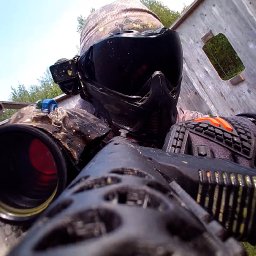
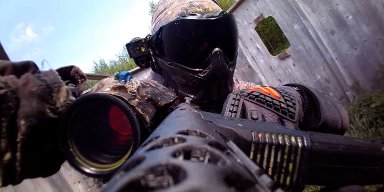
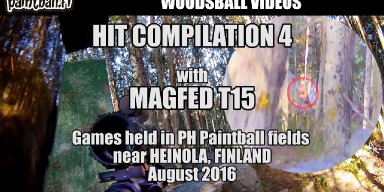
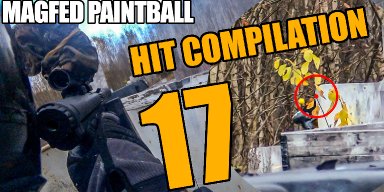
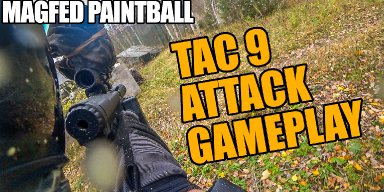
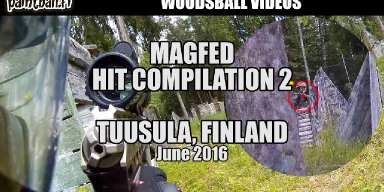
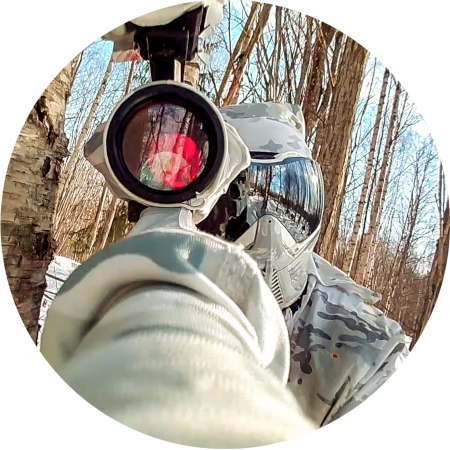
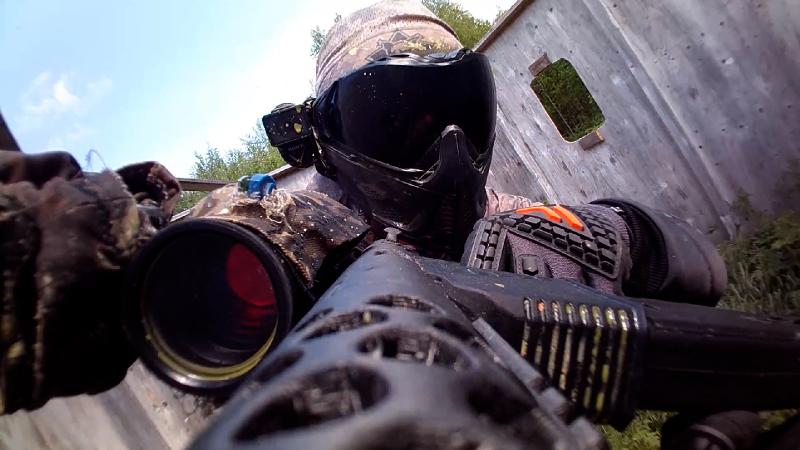
You probably now what paintball is, but magfed paintball puts it’s own spin on things. Magfed paintball, short for magazine fed paintball, is a tactical variant of the traditional paintball game. Magfed emphasizes realism, strategy and precision over rapid-fire chaos. Unlike standard paintball markers, which use hoppers to feed hundreds of paintballs per game, magfed players load ammunition through detachable magazines, typically holding about twenty rounds each.
A magfed player might go to the field with about five or six magazines, so about 100-120 rounds total. In ”normal” or traditional style paintball player has typically a 200-250 round hopper and can have several 140 rounds pods in their podback, so the total might be for a single game be anywhere from 200 to 1000 paintballs.
This limitation on the amount of ammo forces players to think more, conserve shots and plan movements carefully, emphasizing more teamwork. The result is a more immersive experience that bridges the gap between recreational paintball and military simulation (milsim) style games, attracting enthusiasts who tend to crave more authenticity without the dangers of real firearms. At its core, magfed paintball transforms the sport side of the game into something more akin to airsoft in terms of tactical depth, but with the very satisfying splatter of paint to mark eliminations. It is not necessary, but players often use gear resembling military uniforms, complete with vests for carrying extra magazines and markers designed to mimic real-world rifles.
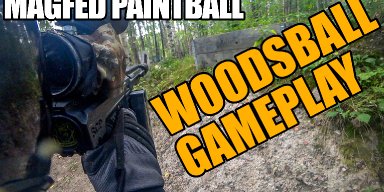
The appeal of magfed paintball lies in the challenge: every shot counts and running out of ammo mid-firefight means you need to quickly reload under pressure. That adds adrenaline and skill to the mix. It's not just about spraying paint; it's about marksmanship, teamwork and outmaneuvering opponents in wooded or urban fields or bigger scenario-based arenas.
First magazine fed paintball marker might have been the Tippmann full-auto SMG62 already in the 1980s and pistols certainly have had magazines for a long time, but magfed paintball finally surged forward in the 2010s when properly working twenty round magazines for rifle sized markers started appearing.
Rounds with fins
Practical working magazines were a necessity, with them there was also room for First Strike Rounds. Talking about magfed paintball would not be complete without mentioning them. FSRs are a fin stabilized half ball instead of the traditional spherical, round paintballs. Fins give FSRs more range and accuracy and they are very much sought after advantage. Fins also cause a whistling sound when they fly past opposing player, that causes instant recognition of the danger of the additional accuracy and range.
Due to fins, FSRs can be fed to markers only via magazines, so they are kinda synonymous with magfed paintball, can’t have them in traditional paintball markers that feed from hoppers above the barrel.
Unique flavor
Magfed’s unique flavor comes up by comparing it to speedball tournament paintball. In tournaments you have a very regulated field, you win by eliminating opponents and make points by touching their start bunker, games are 5 vs 5, both sides have identical bunkers, the field is always the same size, markers shoot with maximum regulated rate of fire, games are fast and the time is very limited. Each player might shoot 500+ paintballs per a two minute round, using lots of paint to deny opponents movements.
These are not bad things in any way, but it is a very different flavor of the game compared to magfed paintball.
In magfed paintball team sizes can very greatly from just a few players per side to hundreds of players. Game time can be from few minutes to whole day. Equipment is much more varied. Winning games depends on game format, that there are endless options that imaginative game organizers come up with. Games often incorporate different kinds of objectives, like rescuing a pilot or finding lost equipment in the field. That makes the games more varied and narrative-driven compared to very formal way speedball is played.
Make no mistake, shooting opponents is what makes the game interesting and is the main idea of magfed paintball too, but it is not always the necessary and smartest thing to do. Compared to strictly regulated tournaments, magfed has so much variety that the possibilities are endless.
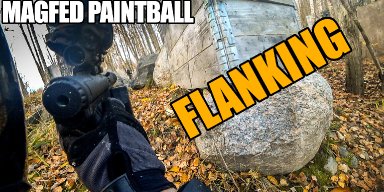
The limited ammo in magazines promotes communication, teamwork and stealth. Reloading becomes a tactical element; players must cover each other while swapping mags, simulating real combat reloads. Also regognizing opportunities when opponents are reloading or low on ammo is an important part of the game.
While speedball rewards aggressive, run-and-gun styles, magfed encourages aiming and punishes wasteful shooting. A common mantra is "one shot, one kill," encouraging players to aim carefully or move to better position to shoot rather than hose down areas.
With magfed paintball, learning curve builds skills like patience and teamwork, transferable to other paintball styles. In conclusion, magfed paintball redefines the sport by prioritizing brains over brawn, realism over recklessness. It's a gateway to deeper engagement, whether you're a casual player seeking fun or a tactician craving simulation. With its growing popularity, now's the time to load up a magazine and dive in—paintball has never felt so real.